
First LNG bunkering for cruise ship in Latin America marks strategic milestone for regional marine fuel infrastructure
Carnival Corporation & plc has completed what it describes as the first LNG bunkering operation for a cruise ship in Latin America and the Western Caribbean, using a mobile liquefied natural gas refuelling solution at its Isla Tropicale destination in Roatán, Honduras.
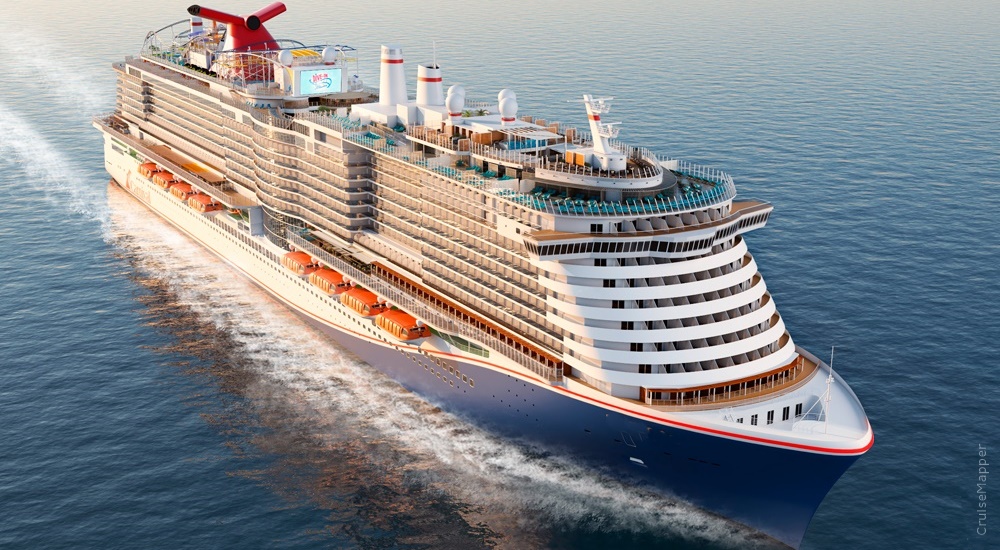
The operation involved the LNG-powered Carnival Jubilee and represents a significant expansion of alternative fuel bunkering capability into a region where infrastructure for cryogenic marine fuels has been limited.
The cruise line confirmed the refuelling was carried out using a mobile LNG platform positioned between the bunker supply vessel and the cruise ship, enabling transfer operations without the need for fixed shore-based LNG infrastructure.
Introduction
The LNG bunkering operation conducted in Roatán marks a notable development in cruise fuel logistics, extending alternative fuel supply chains into Latin America for the first time in the sector.
The initiative is part of Carnival Corporation’s wider strategy to expand LNG availability across its global fleet while supporting operational flexibility on key Caribbean itineraries.
The Isla Tropicale destination in Honduras has been positioned as a strategic refuelling point, allowing LNG-capable vessels to maintain schedule efficiency with minimal deviation from established cruise routes.
Industry Significance
The introduction of LNG bunkering capability in the Western Caribbean represents an important step in the geographic expansion of alternative marine fuel infrastructure.
For cruise operators and shipbuilders, the availability of LNG bunkering in additional regions reduces one of the key operational constraints associated with dual-fuel vessel deployment: fuel supply chain limitation.
LNG remains one of the most widely adopted transitional fuels in the cruise sector, particularly for large newbuild vessels designed for emissions compliance in emission control areas (ECAs) and under evolving international maritime regulations.
The expansion into Latin America demonstrates how cruise operators are increasingly influencing the development of regional marine energy infrastructure through long-term itinerary planning and private destination investment.
Technical Details
The bunkering operation utilised a mobile LNG transfer system, which enabled fuel transfer between a supply vessel and the cruise ship without fixed onshore regasification or pipeline infrastructure.
This method typically involves:
- Cryogenic transfer hoses rated for LNG temperatures
- Intermediate safety platforms or transfer frames
- Real-time monitoring of pressure and temperature conditions
- Controlled vapour management systems
The approach allows LNG bunkering to be deployed in ports or destinations without permanent infrastructure investment, significantly expanding operational flexibility for dual-fuel vessels.
The cruise ship involved, Carnival Jubilee, is part of Carnival Corporation’s LNG-powered fleet, which currently includes 11 LNG-capable cruise ships with a further seven scheduled for delivery by 2033.
LNG propulsion is widely used in large cruise vessels due to its ability to reduce particulate matter, sulphur oxides (SOx), and nitrogen oxides (NOx) compared with conventional marine fuels.
Commercial Impact
For cruise operators, the ability to expand LNG bunkering coverage directly impacts route planning efficiency and fleet deployment strategy.
By establishing LNG availability in Roatán, Carnival Corporation effectively increases the operational envelope of its LNG-powered vessels within the Caribbean basin.
This has several commercial implications:
- Improved itinerary flexibility across Western Caribbean routes
- Reduced need for deviation to LNG-capable bunkering hubs
- Increased utilisation of LNG-capable newbuild vessels
- Strengthening of proprietary destination infrastructure strategy
For shipyards and engine manufacturers, continued LNG expansion supports demand for dual-fuel propulsion systems, cryogenic fuel handling systems, and integrated fuel management platforms.
Market Context
The cruise sector has been one of the primary early adopters of LNG propulsion, with the first LNG-powered cruise vessel, AIDAnova, entering service in 2018.
Since then, LNG has become a key transitional fuel in cruise ship decarbonisation strategies, particularly for operators seeking immediate emissions reductions while longer-term alternatives such as hydrogen and ammonia remain in development.
The Caribbean market presents unique logistical challenges due to its dispersed geography and varying levels of port infrastructure development. As a result, mobile bunkering solutions are increasingly being used to bridge infrastructure gaps.
Carnival’s investment in destination-led infrastructure such as Isla Tropicale reflects a broader industry trend where cruise operators are taking a more active role in shaping port-side energy ecosystems.
What Happens Next
Carnival Corporation has stated that LNG bunkering expansion will continue across its global fleet, with additional LNG-capable vessels scheduled for delivery through 2033.
Further deployment of mobile LNG bunkering systems is expected in regions where permanent infrastructure investment is not yet commercially viable.
The success of the Roatán operation may accelerate similar initiatives across other Caribbean and Latin American destinations, particularly as cruise operators seek to maintain emissions reduction progress towards net zero targets by 2050.
Boatbuilding News Analysis
The first LNG cruise bunkering operation in Latin America highlights the growing role of private cruise operators in shaping marine fuel infrastructure. By deploying mobile LNG systems, Carnival Corporation is effectively extending the operational range of its LNG fleet while accelerating regional fuel availability. This development underscores the increasing convergence of fleet strategy, destination investment and alternative fuel infrastructure in the global cruise sector.