
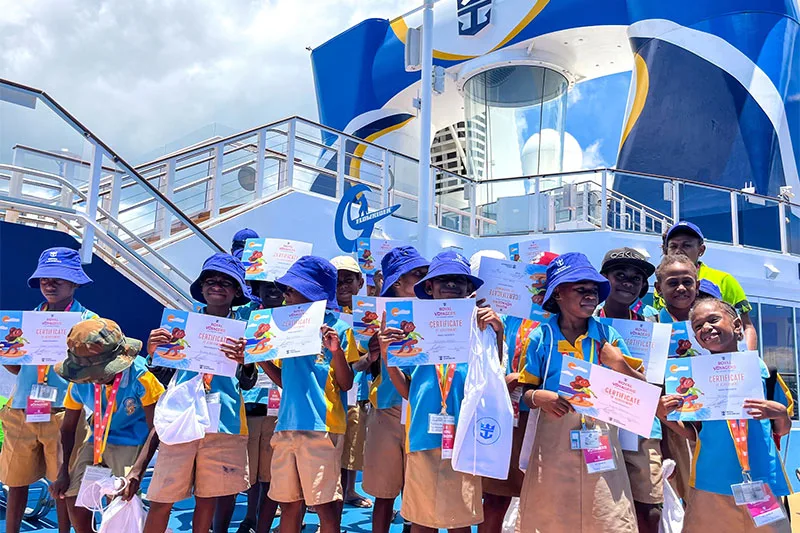
Royal Caribbean Group has reported $61 million in community contributions for 2025, spanning 85 destinations worldwide, according to its latest Community Impact Report published on 24 June 2026.
The figures highlight the growing role of cruise operators in destination-based investment, with funding directed towards disaster recovery, education, conservation, workforce development and long-term community partnerships across global ports of call.
The report also marks the introduction of the Royal Caribbean Group Foundation, a new philanthropic arm designed to formalise and expand the company’s community engagement strategy.
Industry Significance
For the cruise and wider maritime tourism sector, the scale of Royal Caribbean Group’s reported impact underscores how major operators are increasingly integrated into the economic and social fabric of destination regions.
With cruise itineraries spanning the Caribbean, Europe, the Americas and Asia-Pacific, cruise lines are under growing scrutiny to demonstrate measurable benefits to the communities they visit.
Royal Caribbean Group chairman and CEO Jason Liberty said:
“The communities we visit are central to who we are and to the experiences we deliver every day. Across our brands and around the world, we’re focused on investing in ways that help those communities thrive.”
The $61 million figure positions the Group among the most active corporate contributors within the global cruise industry.
Technical and Programme Breakdown
The 2025 community impact total is built across multiple programme areas:
- $10 million in direct charitable donations
- $13 million+ invested in conservation initiatives with the World Wildlife Fund since 2016
- $1.6 million in disaster relief funding, including recovery support in Jamaica following Hurricane Melissa
- Education and scholarship programmes across multiple regions
- Workforce development initiatives linked to port communities and tourism infrastructure
A key long-term initiative remains L’École Nouvelle Royal Caribbean in Haiti, which has operated for 15 years, educating more than 4,600 students and awarding over 700 secondary scholarships.
The company has also raised $4.2 million for Make-A-Wish over 25 years, helping grant more than 3,000 wishes globally.
Commercial Impact
While primarily a social impact report, the findings also have commercial relevance for cruise operators, port authorities and destination managers.
Sustained investment in destination communities supports long-term itinerary stability, local stakeholder relationships and port access agreements.
The establishment of the Royal Caribbean Group Foundation is particularly significant, signalling a more structured approach to philanthropy and ESG-aligned investment.
The Foundation’s first pledge supports the Jackson Health Foundation in South Florida, funding a new emergency residency programme that links maritime tourism operations with regional healthcare infrastructure.
For suppliers and destination partners, this level of structured investment reflects an increasingly formalised expectation that cruise operators will contribute to local resilience and development.
Market Context
The cruise industry has faced increasing regulatory and public scrutiny over environmental and social impact in destination regions.
Major operators, including Royal Caribbean Group, Carnival Corporation and MSC Cruises, have all expanded ESG reporting and community engagement programmes in recent years.
This shift is driven by several factors:
- Growing pressure from destination governments
- Increased focus on sustainable tourism frameworks
- Investor expectations around ESG performance
- Community-level resistance to unmanaged tourism growth
Royal Caribbean Group’s multi-year investment approach aligns with broader industry trends toward measurable, transparent impact reporting.
What Happens Next
The launch of the Royal Caribbean Group Foundation suggests a more centralised approach to community investment going forward.
Industry observers will be watching how the Foundation allocates funding across regions and whether it expands beyond health and education into broader infrastructure and environmental resilience programmes.
Further detail is expected in future reporting cycles as cruise operators continue to refine ESG disclosures and community investment metrics.
Boatbuilding News Analysis
Royal Caribbean Group’s $61 million community impact figure reflects a wider structural shift in the cruise sector, where destination engagement is becoming a core operational requirement rather than a supplementary activity. The introduction of a dedicated foundation signals a move toward more formalised, long-term investment strategies that align cruise operations with regional development priorities across global port communities.